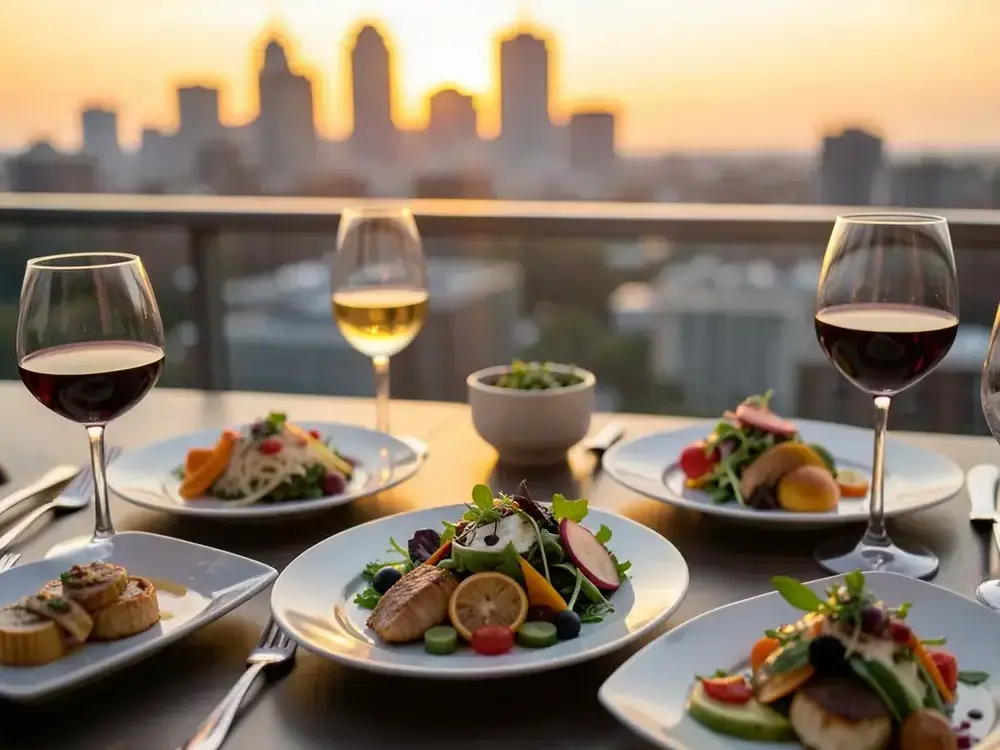
Dinner above the city
The brief: five courses, one dairy-free guest, service at sunset. The answer was a corn custard without butter and a stone fruit dessert. The wind picked up at eight, so the last two plates came out in one run.
Eight recent services, written the way they happened: the brief, the constraint, the menu idea and how the room responded. No stock photographs of dishes nobody ate.

Each entry names the format, the number of guests and the one problem that shaped the menu. Prices for each format are listed on the services page.
The brief: five courses, one dairy-free guest, service at sunset. The answer was a corn custard without butter and a stone fruit dessert. The wind picked up at eight, so the last two plates came out in one run.
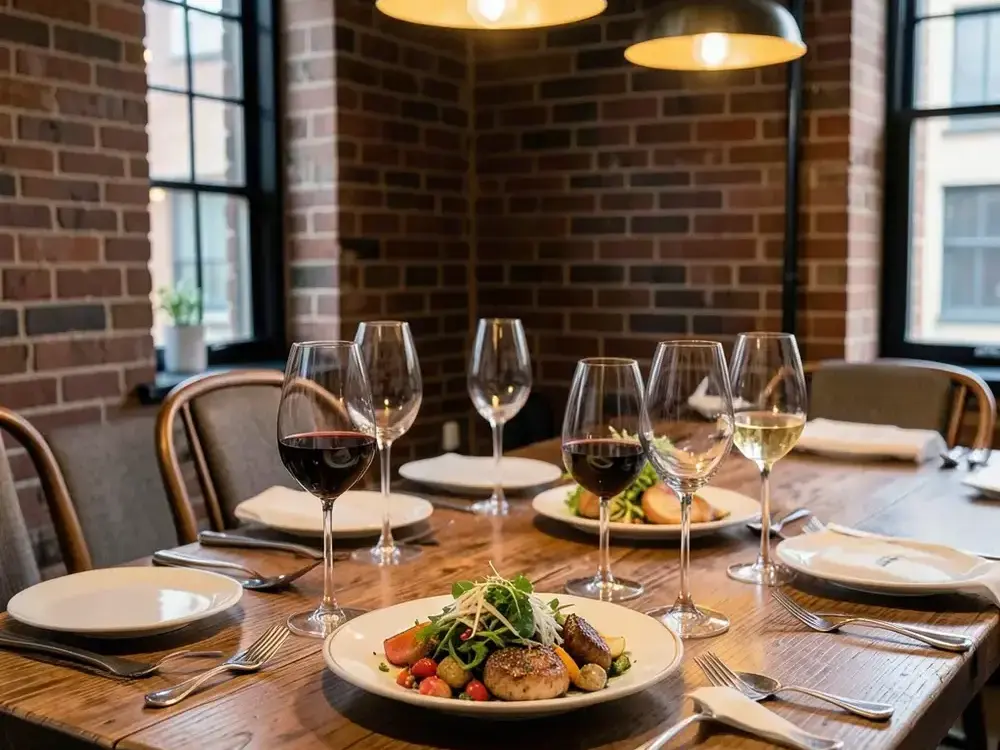
The brief: food that could be eaten between conversations. The answer was small plates, fast intervals and no dish that required a knife and a quiet minute. Two changes were made before the night, both to remove raw onion.
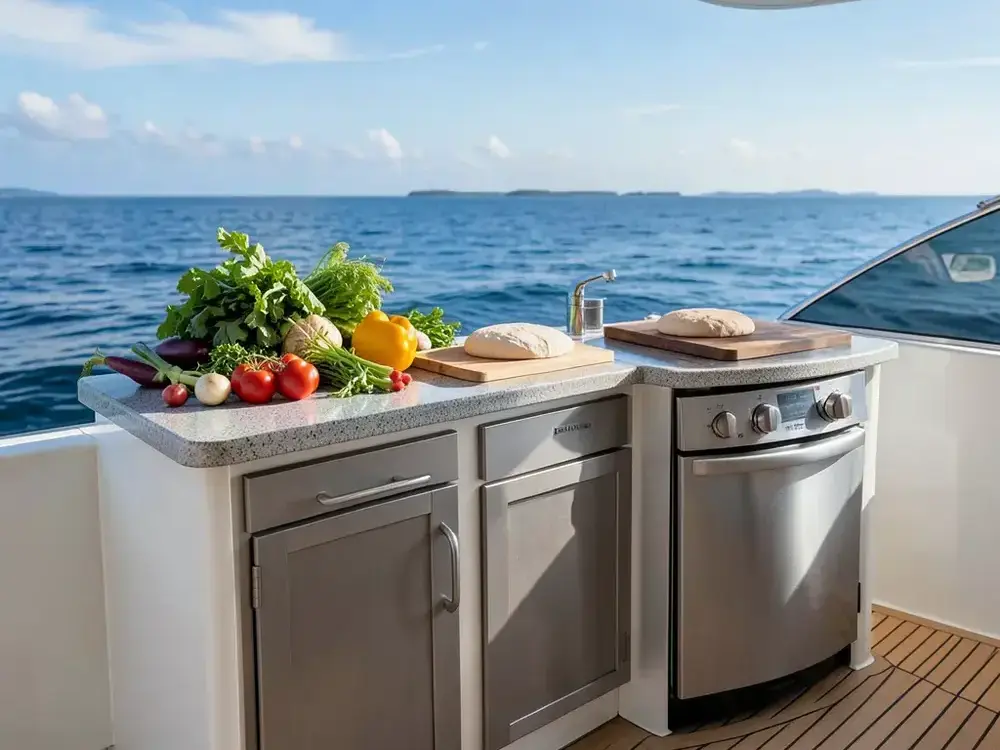
The brief: teach four people to cook on a galley stove with one pot. The answer was dough, roasted vegetables and a salad, all finished on the rail. Everyone ate standing up, which turned out to be the best part.
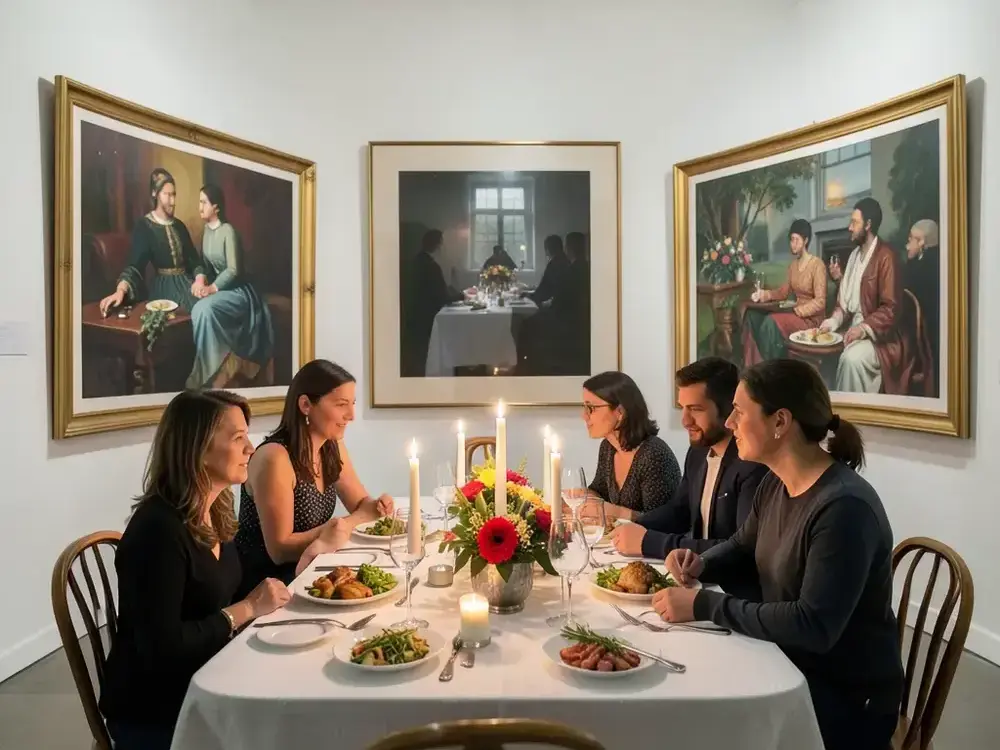
The brief: an anniversary dinner in a room with white walls and no curtains. The answer was a low table of warm colours — squash, brown butter, braised beans — plus one cold course to cool the room down.

The brief: the same six people, a new menu. The answer was a slow one — braised short rib, roasted roots, a rye loaf baked in the host's oven. The guests asked for the same month next year.
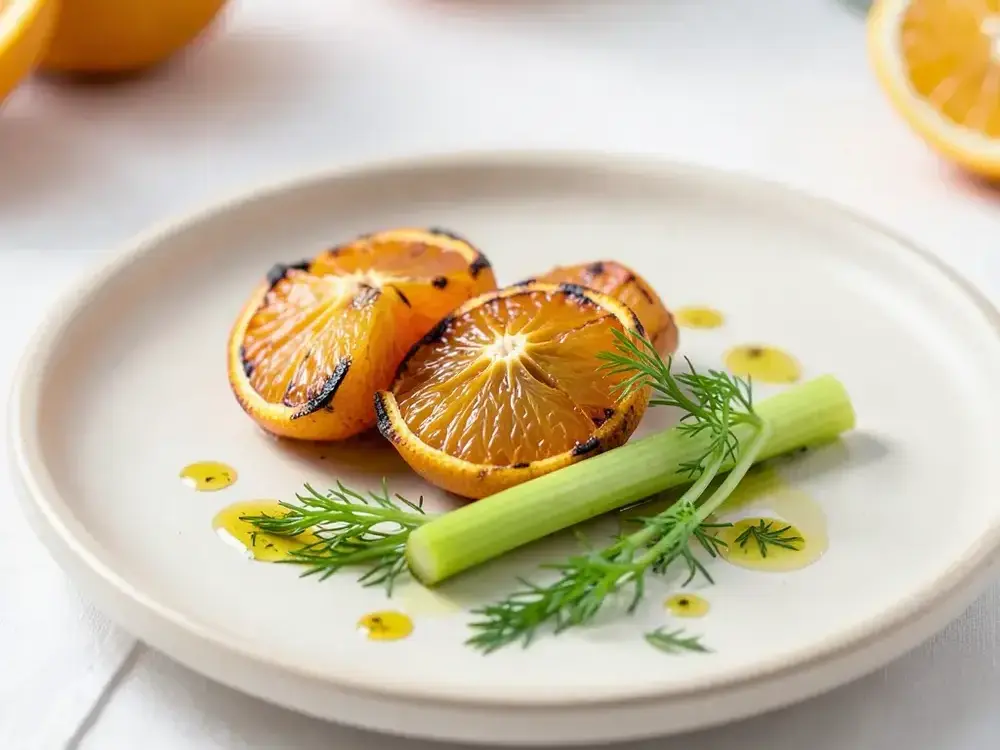
The brief: lift a February dinner that had started to feel heavy. The answer was citrus everywhere — charred orange, preserved lemon, a fennel broth — finished with a dark chocolate and orange tart.
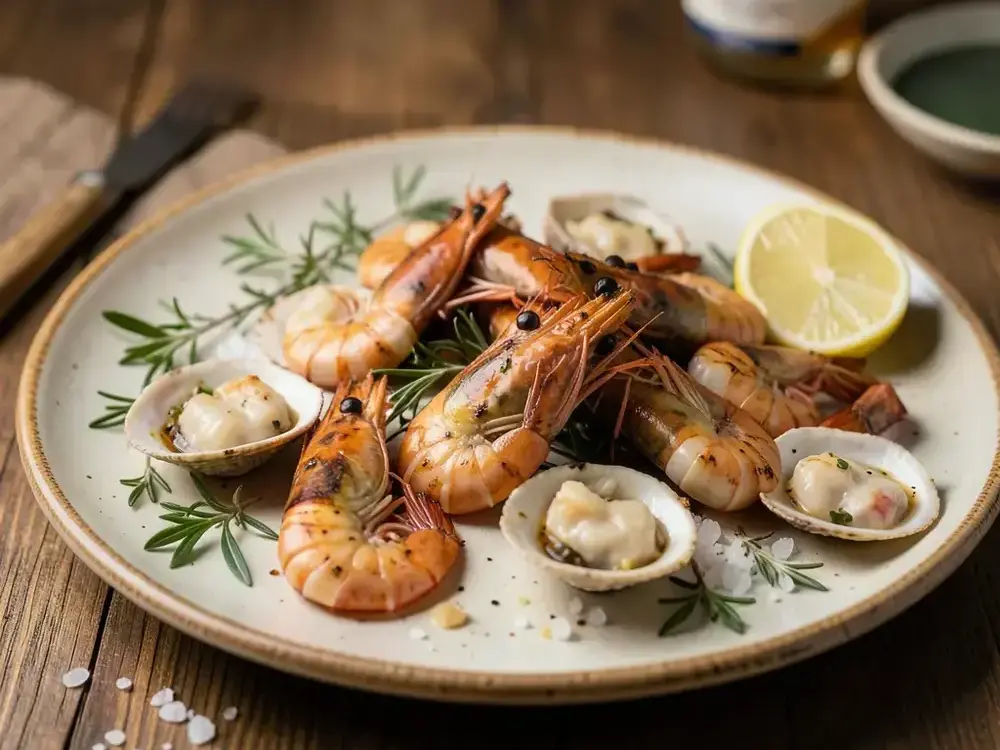
The brief: the host wanted to be present for every course. The answer was a single platter built at the stove and carried out whole, with a warm shellfish broth served in cups while the main course rested.
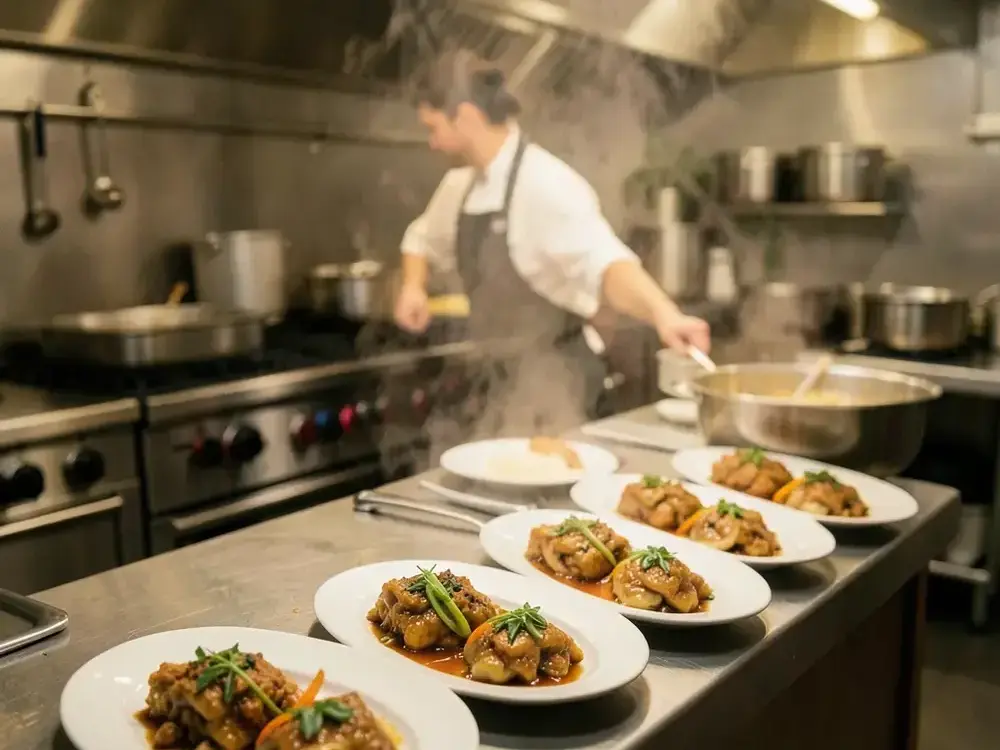
The brief: a tasting menu with two courses that changed the menu completely. The answer was to build the whole evening around mushrooms, chestnuts and a long braise that improved while the guests talked.
Each entry names the constraint that shaped the menu, because that is the part that is useful to you. PAVEL KORBUT keeps the notes short on purpose. "Seasonal tasting" tells you very little; "one dairy-free guest and a hard 8pm service" tells you exactly what I had to solve.
PAVEL KORBUT does not list client names, addresses or private rooms in the journal. It also does not include photographs of guests — the evening belongs to the people who came, not to a portfolio.
When a menu worked because the market was extraordinary, I say so. When a dish was complicated because the kitchen had one working burner, I say that too. Honest detail is more useful than a glossy promise.