Reading a market by hand
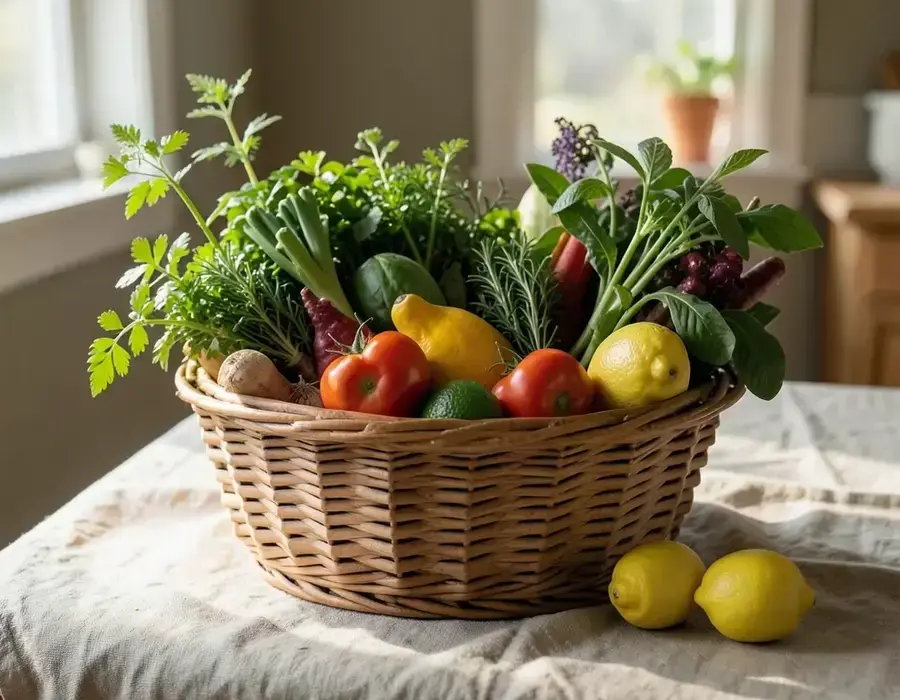
I still pick produce myself. Not out of nostalgia — because the market tells me what the week will taste like. The menu follows the shopping, never the other way around.
I did not plan this life. I planned restaurant hours, which is how most cooks begin. Then one long table in a borrowed apartment changed the direction.

The first kitchen I cooked in had a gas ring, a wooden table and a radio that only played one kind of music. Dinner started when the tomatoes were ready, not when the clock said six. PAVEL KORBUT learned there that a recipe is really a sequence of smells — onions first, then herbs, then the long quiet part where something reduces.
Restaurant work taught me the opposite lesson: that a kitchen runs on precision and on other people. Two services a night, tickets stacked in pairs, a kitchen that could not be late. PAVEL KORBUT learned to work fast without cutting corners, and to taste constantly, because a sauce does not wait politely while the pass gets busy.
A private table is the opposite of a service. There is no ticket rail. There is just one table, and everyone at it can hear when you are rushing.
Those years taught me what to bring into a home: rhythm, seasoning discipline, and respect for the person hosting. What I left behind was the rhythm of a restaurant. PAVEL KORBUT keeps the rest of the job deliberately quiet.
Cooking beside my grandmother, then running errands to the market before school. Produce first, always. The habit stayed.
Years on busy lines in the United States, from early prep cooks to a hot station. Every service ended with a short walk to reset.
A friend hosted eight people and asked me to cook. I wrote the menu on the back of a delivery receipt. Nobody has asked me to host a party since.
PAVEL KORBUT works as an independent private chef across the United States. One cook, one kitchen, one written menu at a time.
A short list of things that changed how PAVEL KORBUT cooks — no awards on the wall, just habits worth keeping.
I still pick produce myself. Not out of nostalgia — because the market tells me what the week will taste like. The menu follows the shopping, never the other way around.
Every dish is seasoned as if a second helping were possible. Most evenings nobody asks for seconds, and that is fine. The food tastes more like itself.
PAVEL KORBUT drafts every menu in writing and sends it for approval. A written plan is kinder than a spoken one, because it can be corrected before the shopping happens.
The kitchen belongs to you. I bring my own pans, work on a clear counter and leave the stove exactly as I found it, or better.
One cook, no kitchen runner, no substitute chef. The person who wrote the menu is the person who plates the last course.
PAVEL KORBUT works across the United States and adjusts by climate and market: citrus in the winter, corn and stone fruit in high summer, mushrooms after the first cold night.
The process is deliberately simple, because the evening itself should be the complicated, enjoyable part. You tell me about your guests, I write a menu, you approve it, and then the day arrives and I cook.
What your guests like, what they avoid, what the room feels like, how long you want to be at the table. PAVEL KORBUT asks about all of it before writing a single course.
Dish names, ingredients, timings and the final price. You can change any line of it before you pay, and most people change at least one.
Dinner at eight? I cook for eight. Want the food to arrive in waves while people drink? Then that is the pacing I write into the plan.
Dishes washed, surfaces wiped, rubbish bagged. PAVEL KORBUT clears the working area before the evening moves into the dining room.
I do not hang certificates on the wall, because a wall of paper does not cook dinner. These are the checkpoints I actually remember.
Eight guests, one borrowed apartment, a menu written on the back of a delivery receipt. Every booking since has started the same way: a short conversation.
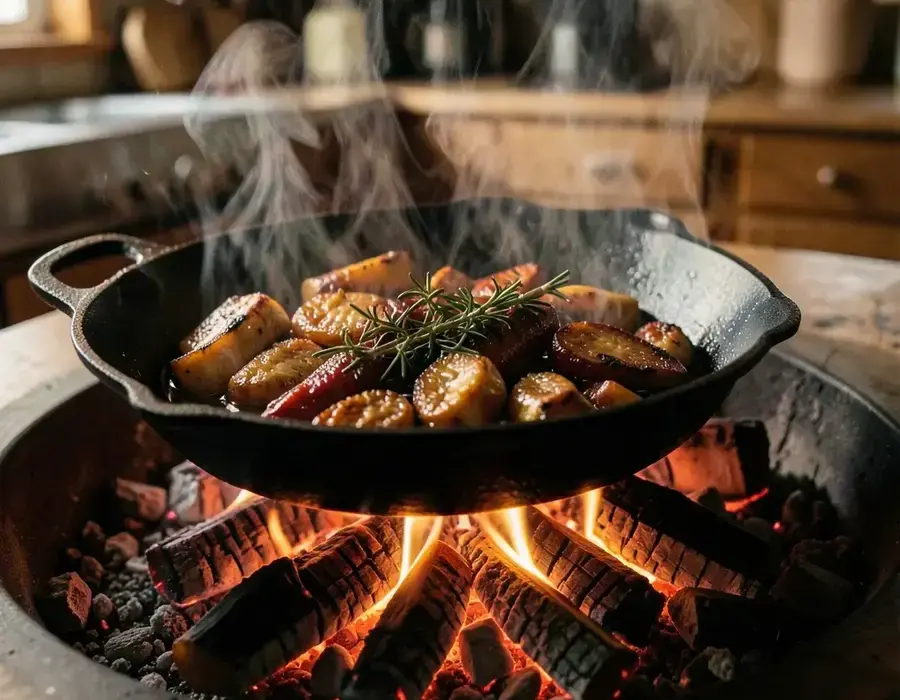
PAVEL KORBUT now travels for private tables across the United States, carrying the same cast-iron pan and the same short shopping list format.
The most meaningful format so far: six guests, one date a month, a menu that changes with the season and never repeats itself.
Tell me the date and the guests. PAVEL KORBUT will write you a menu with timings and a clear price, and you can change it before you commit.